Sleep Environment and Temperature: How to Design a Cooler, Calmer Bedroom for Better Rest
A Vogue-inspired guide to creating a sanctuary for restorative sleep through temperature control, lighting discipline, and thoughtful furniture placement. Grounded in sleep science and practical rituals, this article offers a stylish blueprint for a calmer night’s sleep.
Why the Bedroom Environment Matters
Science consistently reveals that the conditions of our sleep space—temperature, light, sound, and layout—play a decisive role in the quality of our rest. The body’s circadian rhythm is exquisitely sensitive to cues from the surroundings: a cooler room cues the body toward sleep readiness, while light exposure after dusk can delay melatonin production and fragment sleep cycles. The bedroom becomes not merely a place to sleep, but a curated environment that signals the brain to unwind, release stress, and drift into deeper sleep stages.
In the fashion-forward world of interiors, the sleep environment deserves the same care as a couture wardrobe. Subtle textures, breathable fabrics, and precise climate controls converge to create a space that looks serene and feels luxurious. It is a setting where function and beauty align, so that comfort doesn’t compromise style—and style doesn’t compromise rest.
Key Sleep Science Basics: Temperature, Light, and Noise
Temperature sits at the core of sleep health. A typical comfortable range for most adults lies around 60–67°F (15–19°C), with individual variance. The goal is to maintain a cooler core temperature as you drift toward sleep, which supports longer, more stable deep sleep and REM cycles. Bedding and textiles can modulate this temperature; breathable fabrics, moisture-wicking sheets, and appropriate layering prevent overheating without compromising coziness.
Light exposure governs our circadian rhythm. Evening light—especially blue wavelengths from screens—suppresses melatonin and can delay sleep onset. Dim, warm-toned lighting in the hours leading up to bed helps cue the body for rest. Blackout curtains or blinds ensure that external light doesn’t erode your sleep window, while morning light exposure helps anchor wakefulness and mood.
Noise, though subtle, can fragment sleep. For many, white noise or softly ambient sound provides a uniform, non-distracting backdrop that shields against sudden noises. The aim is to create a quiet, stable acoustic environment that reduces awakenings without introducing a jarring confrontation with sound.
Bedroom Optimization Guidelines: Environment, Layout, and Comfort
Breathable bedding matters. Choose sheets, blankets, and duvet covers that promote airflow. Natural fibers like cotton and linen help regulate temperature, wick moisture, and feel inherently luxurious against the skin. Layering is your ally: a light breathable sheet, a mid-weight duvet, and a cooler top layer allow for easy climate adjustment across seasons and nights.
Draft control is essential. Position the bed away from direct drafts, especially near windows or air vents. Where possible, invest in a draft-defying window treatment and consider a ceiling fan set to a gentle rotate to promote even air circulation without creating a breeze that disrupts sleep.
Airflow and cooling devices should be selected with a mindful eye on noise and moisture. If you rely on fans, choose models with quiet operation and adjustable speeds. For humidity management, consider a humidifier or dehumidifier calibrated to maintain a balanced air moisture level that supports comfortable breathing and skin hydration.
The Sleep Environment Checklist: Quick-start Guide
-
Thermal baseline: Set room temperature to a comfortable range (roughly 60–67°F / 15–19°C). Adjust with seasonal layering and breathable textiles.
-
Lighting discipline: Install dimmable lighting for evenings; switch off blue-emitting devices at least 1–2 hours before bed; ensure blackout curtains are functional.
-
Layout and surfaces: Keep the bed on a stable surface, clear of clutter, with a nightstand that holds only essential items. Position lamps and electronics to minimize electromagnetic exposure and visual clutter.
-
Sound strategy: If ambient noise is a problem, test white-noise options or a softly purred fan. Prioritize consistency over volume—steady sound, not abrupt changes.
-
Bedding selection: Favor breathable textiles. Layer bedding to allow adaptive warmth: a fitted sheet, a mid-weight cover, and an optional cooling layer for warm nights.
-
Morning cue: Inform your circadian rhythm with natural light exposure in the morning. Open curtains or step into brighter daylight to anchor wakefulness.
A Vogue Approach to Sleep: Aesthetic and Comfort
In the fashion-forward lexicon, the bedroom is a sanctuary of texture and tone. The palette should whisper serenity: soft neutrals, warm wood accents, and fabrics that glow with a quiet luxury. The goal is an environment that feels curated, where every minute detail—from the weave of the sheets to the shape of the lampshades—contributes to a sense of calm and ease. A thoughtfully designed space encourages rituals that signal bedtime, making rest feel less like a task and more like a beguiling, daily indulgence.
In this editorial vision, functionality is never sacrificed at the altar of aesthetics. The best sleep environments blend ergonomic bedding with materials that breathe, textures that soothe, and lighting that flatters while remaining practical for everyday use. The result is a bedroom that looks as refined as it feels—an intimate showroom of well-being rather than a showroom of trend alone.
Product Interlude: A Luxe Addition for Comfort and Rituals
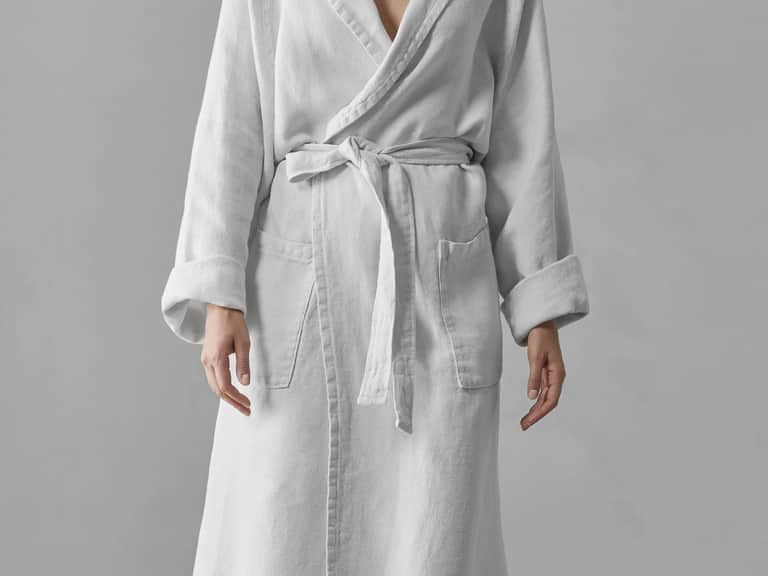
To embody the editorial spirit of a cooler, calmer bedroom, consider introducing a refined robe that echoes the calming sophistication of the sleep environment. We highlight a standout piece that merges effortless luxury with practical comfort: the Crel Bathrobe from Society Limonta. This linen robe, with its crepe effect and garment-dyed color, is 100% linen, featuring a shawl collar and two pockets. It is machine washable, ensuring everyday ease while maintaining the polish of a couture moment.
Why this fits the sleep environment narrative: its texture speaks to tactile luxury, its color palettes mirror tranquil interiors, and its care instructions align with the effortless routines that define a well-curated bedroom. The robe can be a nocturnal companion for evenings winding down in a serene space or a wearable luxury when entering or leaving the sanctuary of your sleep zone.
Product Feature: Crel Bathrobe
Society Limonta — 100% Linen, Garment-Dyed
Linen bathrobe with crepe effect and garment-dyed colour; shawl collar, two pockets, machine washable. The crepe texture provides a tactile luxury that aligns with a calm, breathable sleep environment. Its color palette echoes the soft neutrals of a serene bedroom, reinforcing a coordinated, editorial mindset for evening rituals.
In addition to robes, consider integrating a diffuser like the Ambra Diffuser to gently saturate the room with comforting scents that promote relaxation as you prepare for sleep. The Ambra Diffuser releases sandalwood’s depth with bergamot’s brightness and amber’s warmth. A calm aroma can complement a cooler, quieter environment by signaling wind-down time to both mind and body.
A Timepiece of Time: Three Key Individuals from Different Epochs
Sleep is a universal obsession, traversing cultures and centuries. Here are three luminaries whose ideas illuminate our modern approach to sleep environment design, spanning different eras and perspectives.
Hypnos, Ancient Greece (2nd millennium BCE)
Discreet Wisdom and Environmental Minimalism
In ancient myth and practice, Hypnos—the personification of sleep—suggests that tranquility and restful spaces begin with quiet, subdued environments. The ancients favored cool, airy bedrooms and natural materials that breath. Hypnos’s ethos is a reminder that the easiest way to invite sleep is to remove noise, light, and heat through simplicity, natural textures, and a calm color palette. The modern echo of this principle is to cultivate a sleep space that avoids sensory overload—soft linens, muted tones, and drafts managed with thoughtful design rather than force.
Florence Nightingale, 19th Century (1819–1910)
Hygiene, Air Circulation, and the Architecture of Rest
Nightingale’s emphasis on sanitary conditions, fresh air, and daylighting prefigures today’s emphasis on breathable textiles, climate control, and circadian lighting. Her influence persists in the insistence that rest be grounded in a sanitary, well-ventilated environment. In contemporary practice, this translates to clean air, appropriate humidity, and fabrics that empower breathability and comfort—principles that underpin a cooler, calmer bedroom that supports sleep health.
Arianna Huffington, 21st Century (born 1950)
Well-being as a Design Imperative
In the modern era, Huffington’s focus on well-being and mindfulness elevates sleep from a private habit to a design strategy. Her influence is visible in homes and editorial spaces that treat sleep as essential to health and beauty. The contemporary sleep environment borrows her ethos: a calm, organized space that encourages rituals, clarity, and a daily boundary between work and rest. This is not merely a momentary trend; it is a lifestyle choice that values quality sleep as a durable, chic foundation for daily life.
The Content Strategy for abcbedstore.com: Sleep Education with Editorial Grace
A non-commercial Sleep Education Portal can carve a distinct niche by combining scientifically grounded insights with a Vogue-like sense of style and storytelling. The site should feature:
- What Is Sleep Hygiene and Why It Matters
- How Light Affects Your Sleep
- Mattress Materials Explained (Educational, no brand endorsements)
- Creating a Sleep-Friendly Bedroom (Color, Texture, Layout)
- Quick Routines: Wind-Down Rituals for Busy Lives
- FAQs and Myth-Busting: Sleep Myths Debunked
- Expert Q&As with Sleep Researchers and Clinicians
The operational pieces include an editorial policy page, author bios with credible sources, and accessible content with clear readability. The tone should be compassionate, informed, and confident—never promotional. The visuals, while not using product galleries, can reference the aesthetic through architectural silhouettes, calm textures, and room layouts described in editorial style.
On-Page Elements and Accessibility
To maximize accessibility, design with an inclusive reading level and provide alternative text for any imagery described in text. Structure headings semantically, with an H1 for the page title, H2s for section breaks, and H3s for subsections. Make sure every interactive element is keyboard accessible and provide text transcripts for any video or audio consults. A robust editorial policy signals credibility and fosters trust among readers seeking non-commercial information about sleep health.
A Practical Starter Content Plan (12 Articles)
- What Is Sleep Hygiene and Why It Matters
- How Light Affects Your Sleep
- Understanding Circadian Rhythm and Sleep Stages
- Bedroom Lighting: Practical, Aesthetic, and Evidence-Based
- Creating a Sleep-Friendly Bedroom: Layout and Temperature
- Choosing Breathable Bedding: Fabrics, Weave, and Care
- Mattress Materials Explained: What Keeps You Cool and Comfortable
- Bedroom Drafts: How to Seal and Manage Them
- Power Naps: When They Help and How to Do Them Right
- Sleep Myths Debunked: Common Misconceptions
- Expert Q&A: Sleep Researcher Perspectives on Home Environment
- Printable Sleep Checklist: Your Nightly Routine Template
Conclusion: A Clear Identity for abcbedstore.com
The domain abcbedstore.com carries a natural association with beds and sleep, but it also risks being mistaken for a shopping destination. The recommended path is Direction A: Sleep Education Portal. This direction aligns with non-commercial, educational goals, offering broad content opportunities, trust-building through credible sourcing, and a refined editorial voice that mirrors a Vogue sensibility. The branding can be anchored by a site subtitle such as “ABC Sleep: Sleep science and healthy bedtime habits.” The site can include a concise editorial policy, robust author bios, and a clear categorization system that makes content easy to navigate for readers seeking practical, science-based guidance on improving sleep quality.
Accessibility Notes and Final Thoughts
This article adheres to semantic HTML practices, uses Bootstrap 5 classes for layout and typography, and maintains a narrative voice that blends editorial flair with informative clarity. The inclusion of the Crel Bathrobe as a product example in a separate sidebar demonstrates how to weave lifestyle elements into a sleep-education framework without turning the site into a marketplace. Where product references are used, ensure they are contextual, non-promotional, and embedded within a broader wellness narrative.